Forget the High Street: Britain's Boldest Hair Is Coming From Backstreet Salons
Photo: Marie-Geneviève Bouliard, Public domain, via Wikimedia Commons
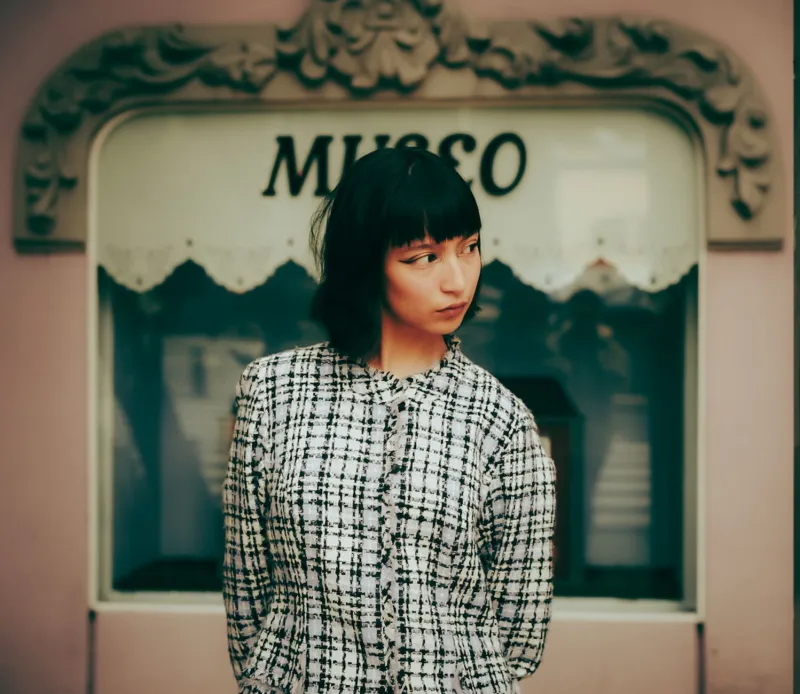
There is a particular kind of bold hair you only see when you stop looking at the high street. It is a mullet with a razor-cut fringe in Leeds. It is acid-bright colour on a dark base in Bristol. It is a wet-look crop in Glasgow that looks as though it was cut in a kitchen and finished in a club. It is not polished. It is not corporate. It is not trying to sell you a monthly membership.
For years, the UK hair conversation has been dominated by big chains and the same rotating set of trends. You know the ones: the glossy bouncy blow-dry, the safe balayage, the fringe that everyone gets before a wedding. They are fine. They are also predictable. And predictability is the opposite of street style.
The Shift Is Happening in the Backstreets
The most interesting work in 2026 is happening in small independent salons — the ones tucked above a record shop, behind a café or down a side street with a handwritten sign. These spaces are not trying to look like a luxury brand. They are trying to look like the people who work in them. And that is exactly why the hair coming out of them feels alive.
In Leeds, stylists are leaning into soft mullets, shaggy fringes and colour that looks slightly faded on purpose. In Bristol, the mood is more DIY: vivid streaks, bleached fronts and cuts that look better after a week of not styling them. In Glasgow, there is a harder edge — razor cuts, sharp fringes and a lot of texture. In outer London, the backstreet salon is where you go when you want a cut that will hold its shape on the Overground and still look good at a gig.
This is not a nostalgic argument about the good old days. It is about what is happening now. The tools are better, the references are wider and the customers are more willing to take a risk. What has changed is where the creativity is concentrated.
Why Salon Edge Now Means Local Creativity
High-street chains are built for consistency. That is not a criticism; it is a business model. But consistency tends to flatten risk. When every branch offers the same menu and the same training, you get safe hair. Safe hair has its place. It just does not tend to end up on street-style mood boards.
Independent salons operate differently. They have to. They are competing on personality, not scale. That means the stylist is often the brand. Their portfolio is the shop window. Their chair is the place where a customer can say 'do something weird' and actually be heard.
This is where the best mullets, acid-bright colour and razor-cut fringes are coming from. Not because independent stylists are more talented in some abstract way, but because they are closer to the risk. They are working with fewer layers of approval. They can try something and post it that night. They can build a look with a client over months rather than trying to fit it into a standard appointment slot.
The Mullet Is Not the Point
The mullet is a useful symbol, but it is not the whole story. The point is that bold hair is being treated as a craft again. A good backstreet stylist will look at your hairline, your growth pattern and your routine before they pick up the scissors. They will tell you what will work and what will not. They will not simply show you a picture of a celebrity and try to recreate it on a different head.
That is the real salon edge: precision underneath the mess. The best versions of these looks are not actually chaotic. They are carefully cut to fall a certain way, then styled to look as though they happened by accident. That takes skill. It also takes a relationship.
How to Find a Bold-Hair Specialist Near You in 2026
Start local. Search for salons in your area on Instagram and look at the grid, not just the highlights. You want to see a mix of finished looks and in-progress work. A stylist who posts a range of textures, hair types and colour processes is usually a better bet than one who only posts one polished aesthetic.
Use plain language in your search. Try terms like 'alternative salon', 'queer friendly salon', 'vivid colour specialist' or 'razor cut' plus your city or borough. Local Facebook groups and neighbourhood subreddits are also useful, especially for outer London areas where the best spots are often not on the main road.
Book a consultation before you book a cut. Ask to see a portfolio in person. Talk about your routine, how often you style your hair and how much maintenance you are willing to do. A good stylist will be honest about what will suit you. A bad one will promise you the moon and then blame your hair when it does not work.
Check the practical stuff too: patch tests for colour, clear pricing, and whether the salon has experience with your hair type. If you are going for acid-bright colour, ask what aftercare they recommend and how many appointments it will take. If you are going for a razor cut, ask whether they will dry cut or wet cut. The answers will tell you a lot.
The Local Salon Is the New Street Style Frontier
The high street will always have its place. It is convenient, familiar and good at the basics. But if you want hair that feels like it belongs on a street rather than in a shopping centre, look sideways. Look down the back street. Look for the salon with the handwritten sign and the stylist who is clearly doing their own thing.
That is where the UK's bold hair is being written in 2026. Not in a boardroom, not in a trend report, but in small rooms in Leeds, Bristol, Glasgow and outer London — one razor cut, one colour patch and one very good mullet at a time.