The Last Thirty Seconds: Why UK Salons Are Ending Cuts With a Cold Shock
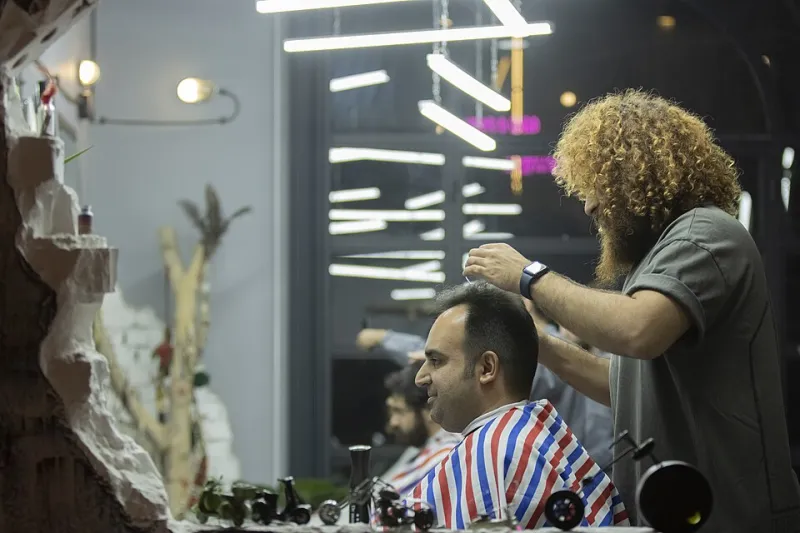
Photo: Mostafameraji, CC0, via Wikimedia Commons
There is a point near the end of most salon appointments when the warmth returns. The basin water goes from brisk to comfortable, the towel lands on your shoulders, and the blow-dry begins. But in a growing number of UK salons, that final rinse has gone rogue. The water turns cold. Not politely cool. Properly cold. And according to the stylists doing it, those last thirty seconds are becoming the difference between a good haircut and one that walks out of the salon with a bit of attitude.
The finish that refuses to be cosy
The cold-rinse finish is exactly what it sounds like: after shampoo and conditioning, the water is dialled down for a short, sharp blast before the towel comes out. Some salons use a cooler basin rinse. Others go for a cold towel pressed over the scalp, or a final cold shot from the showerhead while the client mentally prepares for the walk to the tube. It is not a spa-style chill. It is a wake-up call.
What makes it a trend rather than a quirk is the way it fits the current UK salon mood. Blunt bobs, graphic fringes, hard-edged layers and glossy dark colour all look better when the hair has a little tension to it. Cold water gives that effect. It makes the cut feel tighter, the shine sharper, the whole finish less fluffy and more street-ready.
It also gives the appointment a final scene. A salon visit is already part theatre, part therapy and part social club. The cold rinse adds a small jolt of drama before the mirror reveal. You leave with your blood moving and your hair looking like it means it.
What cold water actually does, and what it does not
Let us be clear: cold water is not a magic trick. It will not permanently repair split ends, rewrite your hair's DNA or make a dodgy fringe grow out faster. But the temporary effects are real enough to matter on the day.
Cold water constricts the blood vessels near the scalp and gives that familiar invigorating feeling. On the hair itself, a cooler final rinse can help smooth the outer layer of the strand, which is why hair often feels sleeker and looks shinier straight afterwards. For anyone with a blunt cut, that smoothness reads as sharper. For curls and waves, it can help reduce the soft, fuzzy halo that warm water sometimes encourages.
Colour is where the salon claims get more enthusiastic. Stylists will tell you a cold rinse helps lock in shine and keeps fresh colour looking cleaner for longer. The truth is more modest: cold water will not seal dye into the hair like a vault, but it can help reduce the immediate swelling and roughness that warm water creates. Think of it as a finishing touch, not a permanent guarantee.
Scalp-wise, the sensation is the point. A short cold rinse can feel bracing, especially after a warm wash. It is not for everyone. If you have a sensitive scalp, cold urticaria, or you have just had a chemical service and your stylist has told you to keep things gentle, follow their advice instead of chasing the trend. A cold shock should feel like a choice, not a punishment.
Why it suits Britain's blunt cuts and bold colour
British street style has been leaning hard into clean lines and tougher textures. We are seeing more sharp fringes, sliced layers, inky gloss and chrome finishes than we are seeing soft, bouncy blow-dries. Those looks benefit from a finish that does not over-soften. Cold water gives hair a slightly cooler, more deliberate surface. It is the difference between hair that looks freshly done and hair that looks like it has been styled with intent.
There is also a practical British angle. Our weather is not kind to carefully constructed hair. Drizzle, wind and central heating all conspire against a smooth finish. A cold rinse will not waterproof your bob, but it does help the hair sit flatter and behave for the first few hours. In a country where a good hair day can be undone by one bus journey, that counts.
And it costs nothing. That is probably why the cold-rinse finish is spreading through backstreet salons as well as polished city spaces. It does not require a new machine or a fancy product. It just requires a stylist who is willing to end the appointment with a small, deliberate shock.
The hot exit
The phrase hot exit is not about temperature. It is about the feeling. You come out of the salon with a bit of colour in your cheeks, your scalp awake and your hair looking sharp. The cold rinse is the last thing that happens before the mirror moment, and it leaves a mark. It makes the appointment feel less routine and more like a finishing move.
For salons, it is also a talking point. Clients notice. They ask about it. Some hate it. Some love it. Either way, it turns the final rinse into something memorable, which is more than most basins can claim.
How to recreate it at home without turning your shower into a punishment
You do not need to fill the bath with ice. The at-home version is simple: wash and condition as normal, then finish with twenty to thirty seconds of cooler water. Start lukewarm and work your way down. Keep the cold blast focused on the mid-lengths and ends rather than blasting your scalp until you regret every decision you have ever made.
If you have coloured hair, keep the shampoo water comfortable and save the cool shot for the end. If you have a sensitive scalp, skip the full cold rinse and use a cool towel instead. If your bathroom is freezing in November, fill a jug with cool water and pour it over your hair while you lean over the bath. It is less dramatic, but your neighbours will not hear you yelping.
Finish with a wide-tooth comb, a tiny amount of serum or oil on the ends, and a cold shot from your hairdryer if you use one. The goal is not to freeze yourself. The goal is to close the appointment with a bit of grit.
The cold-rinse finish is not a revolution. It is a small, sharp detail that makes a haircut feel more finished. In a salon landscape obsessed with bold cuts, street-ready colour and backstreet creativity, that is exactly the kind of move that sticks.