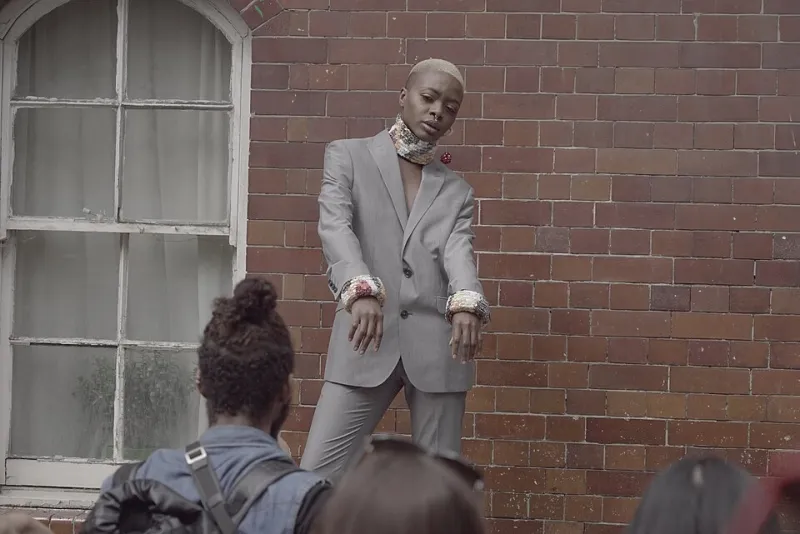
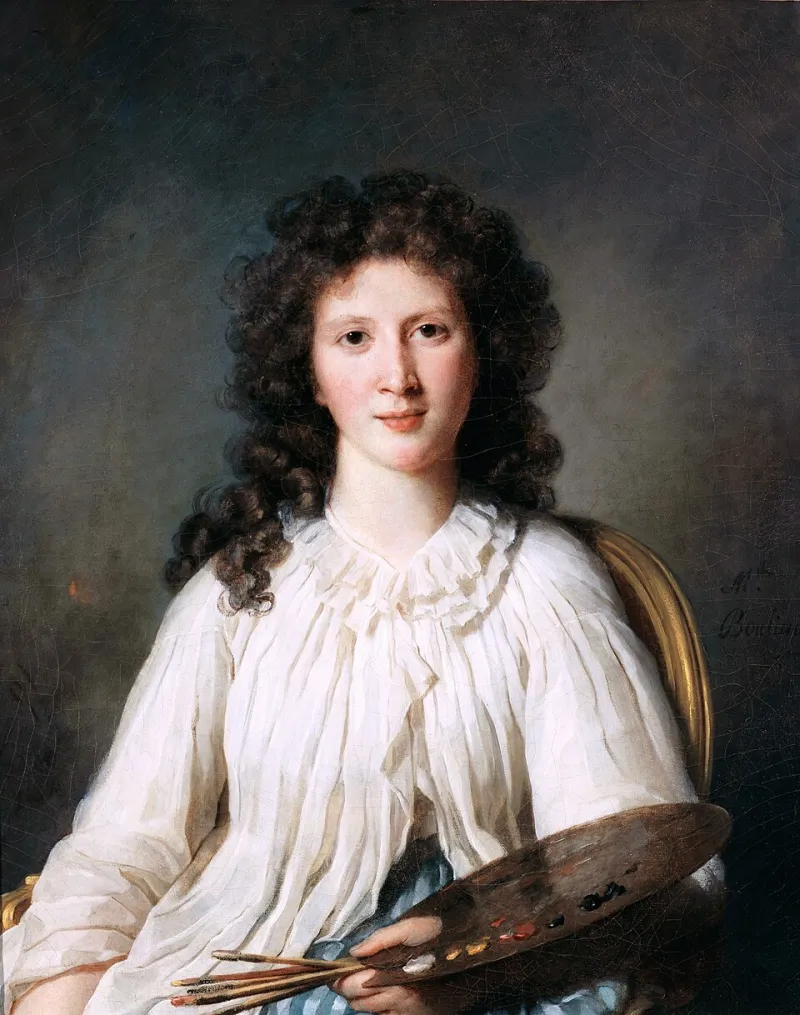
Hard Edges, Soft Pavements: The Architectural Haircuts Shaping UK Streets This Year
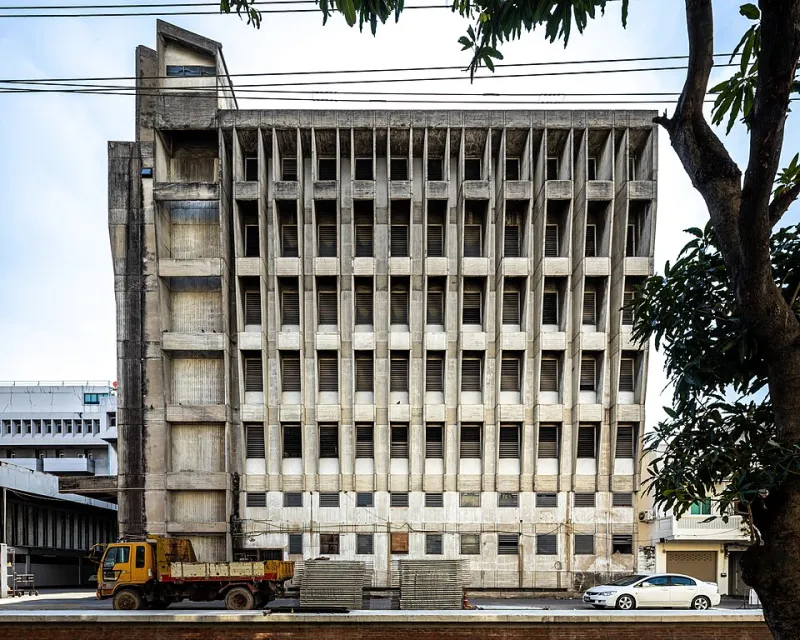
Photo: This Photo was taken by Supanut Arunoprayote. Feel free to use any of my images, but please mention me as the author and may send me a message. (สามารถใช้ภาพได้อิสระ แต่กรุณาใส่เครดิตผู้ถ่ายและอาจส่งข้อความบอกกล่าวด้วย) Please do not upload a
London, 7.45am, and the pavement outside the Barbican is doing what it always does: reflecting a sky the colour of wet newspaper. Inside a nearby salon, the first client of the day is asking for a fringe that looks like a balcony. Not a soft, curtain-y thing. A line. A slab. Something with an edge you could rest a coffee cup on.
That request is not unusual in 2026. Across the UK, stylists and barbers are pulling shapes from the built environment, especially the concrete stuff. Brutalist housing blocks, civic centres, multi-storey car parks, the kind of architecture that was once called ugly and is now saved on mood boards. The cuts are not costumes. They are blunt fringes, squared-off layers, low fades with hard outlines and textured crops that look weathered rather than styled.
The pavement is the mood board
A lot of clients bring photos of buildings now, says Remi, a barber at a small studio in Digbeth, Birmingham. Not literally asking for a building on their head. They want the lines. The weight. The way concrete has shadow and texture. Remi has noticed the shift most in the past six months: fewer soft, blended fades, more requests for a flat top, a hard part, a fringe cut with a spirit level. The cut should look like it belongs to the street, not to a styling tutorial.
In Newcastle, Jodie, a stylist who works between the city centre and the coast, says the same. People are bored of hair that looks too polished. They want something that can take a gust off the Tyne and still hold its shape. She is cutting more chin-length bobs with heavy front sections and more crops with a squared-off outline. The finish is matte. The texture is dry. If it shines too much, it stops looking architectural and starts looking like a night out in 2014.
The cut is not a helmet
This is the important bit. Architectural hair is not a bowl cut with a mood board. It is not a literal concrete block on the head. The best versions use the same principles as a good building: weight, balance, structure and a bit of roughness. A blunt fringe can be soft at the edges if the hair has natural movement. A sharp fade can still look lived-in if the top has texture. The trick is contrast. Hard line at the front, soft mess at the back. Clean neckline, rough crown. Matte product, no crunch.
Mara, who cuts in south London, says the trend is really about low maintenance. Her clients want a shape that survives the tube, the rain and a long day. She is taking weight out of the sides and leaving length through the front, so the cut falls into place with a rough blow-dry and a bit of clay. If it needs three products and a round brush every morning, it is not the brief.
What barbers are actually cutting
The most requested shape right now is a heavy, jaw-length bob with a blunt fringe. It sounds simple. It is not. The line has to be precise, but the hair has to move. Ask for a fringe that sits just above the brow, cut flat across rather than point-cut, with the sides left blunt enough to hold a shape. If your hair is curly, ask for the same idea translated into a rounded, weighty shape rather than a straight line.
The second is the low fade with a boxy top. This is the barbering version of a concrete stairwell: clean at the sides, solid on top, no unnecessary decoration. It works best on thick hair or hair with a bit of natural texture. The finish should be matte, almost dusty. A tiny amount of clay rubbed between the palms is enough. Do not overload it.
The third is the textured crop with a hard outline. Think short at the back and sides, longer on top, with a fringe that has been sliced rather than softened. It is a good option for anyone who wants the attitude of a brutalist building without the commitment of a full fringe. It also grows out well, which matters in a cost-of-living era when people are stretching appointments further apart.
Street-style photo essay: concrete, worn in
Frame 1: Southbank, London. A student in a grey woollen coat, hair cut into a heavy jaw-length bob with a fringe so blunt it looks drawn with a ruler. The wind lifts the sides; the fringe stays put.
Frame 2: Outside the Civic Centre in Newcastle. A barber on a smoke break, hair cropped close at the sides with a flat, boxy top. The texture is matte, almost dusty. No shine. The cut looks like it has been there for years.
Frame 3: Digbeth, Birmingham. A cyclist with a grown-out skin fade and a cluster of small, flat plaits pinned across the crown. The architecture behind is all concrete and graffiti; the hair reads as both sharp and soft.
Frame 4: Leeds bus station, early evening. A teenager in a huge parka with a chin-length crop, one side tucked behind the ear. The cut is rough on purpose. It looks better for being rained on.
How to wear it without looking like a theme party
Keep the rest of the look simple. Architectural hair works best against plain clothes, good coats and shoes that can handle actual weather. Let the fringe do the talking. If you are wearing a hard fringe, skip the heavy earrings and the obvious styling wax. If you have a sharp fade, keep the top messy. If you have a blunt bob, do not straighten every last millimetre. The point is structure with a bit of grit.
Product-wise, go matte. A clay, a paste or a salt spray is enough. Shine makes the cut look older and more formal. Texture makes it look modern. And do not fight the weather. A bit of drizzle or wind is part of the look. The whole point is that the hair belongs on the pavement, not under a glass dome.
The maintenance truth
Architectural cuts are not actually low maintenance. They are low styling, high upkeep. A blunt fringe needs trimming every three to four weeks or it starts to look like a mistake. A sharp fade needs regular visits to stay sharp. A heavy bob needs weight removed as it grows, or it turns into a triangle. The trick is to ask your stylist for a shape that still works when it is slightly grown out. A good cut should have a second act.
That is why this trend has stuck in 2026. It is not about copying a building. It is about wanting hair that feels solid, useful and a bit unbothered. Concrete does not try to be pretty. It just stands there. On a wet British pavement, that is a very good place to start.