Put the Screenshot Away: The UK Salons Teaching Clients to Speak Hair
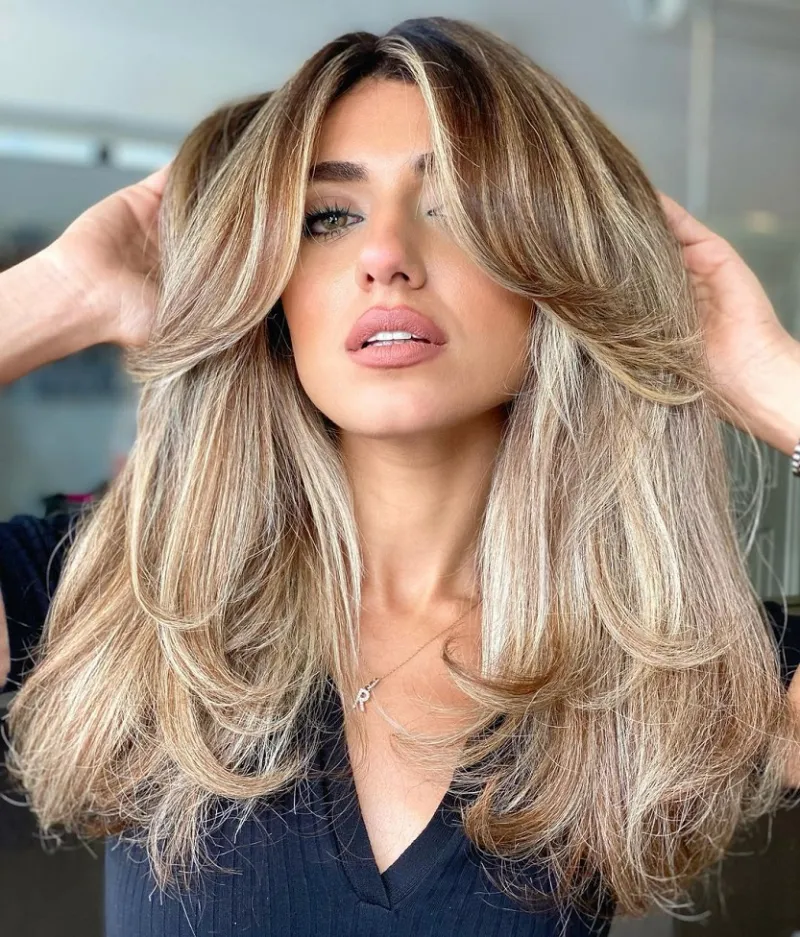
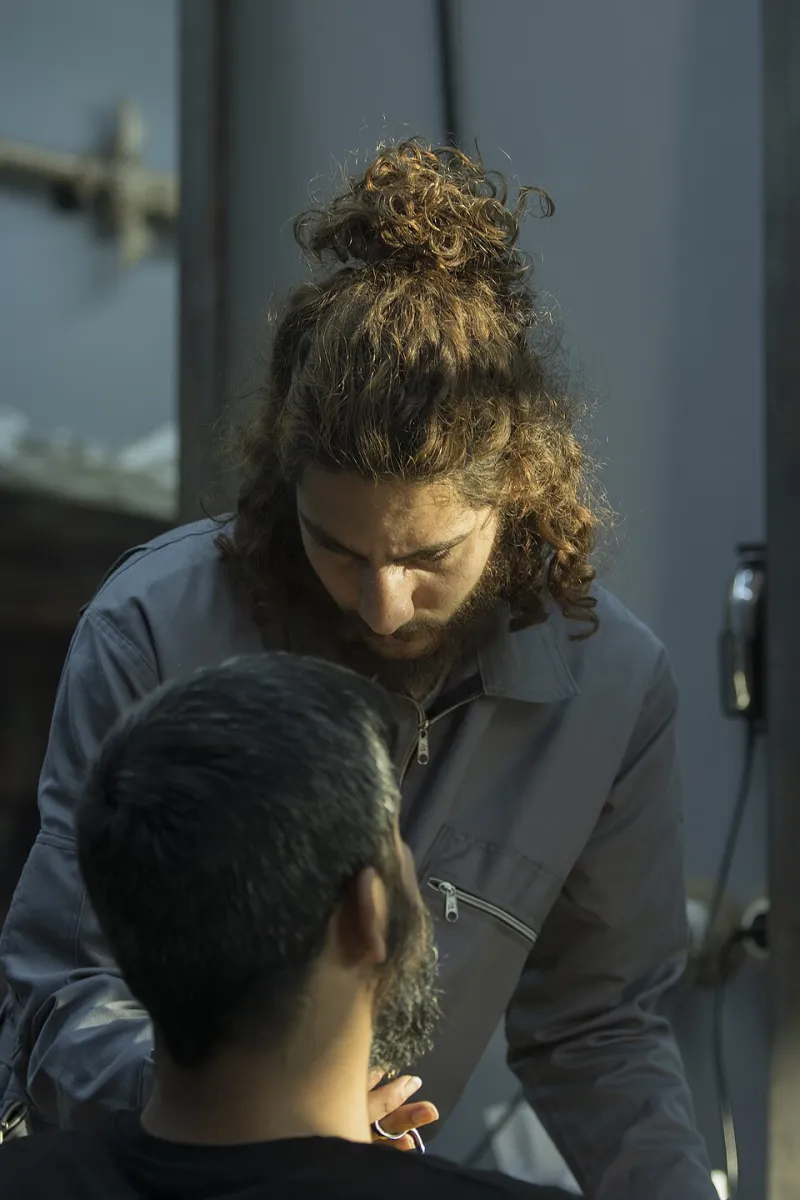
Photo: hair salon consultation client talking to stylist no phone UK, via simpleideasforfashion.com
There is a moment in every salon chair when the phone comes out. The screen brightens, the client scrolls, and a screenshot of someone else's hair lands between you and the mirror. For years this felt like progress: a visual language shared by client and stylist. In 2026, though, a certain breed of UK salon is quietly pushing back. Not against inspiration. Against the copy-and-paste consultation.
From backstreet studios in Bristol to colour bars in Manchester and a handful of respected London chairs, signs are appearing: no reference photos, please. Some ask clients to describe the cut before showing a picture. Others ban screenshots entirely during the consultation and request words, textures and maintenance realities instead. It can feel abrupt. It is also, mostly, a good thing.
Why the screenshot stopped being a shortcut
The problem is not pictures. It is what pictures leave out. A screenshot gives you a shape, a colour and a mood, but it hides the density, the hairline, the growth pattern, the six-week regrowth, the fact that the person in the photo has a team behind them and a ring light in front. It also hides the client's own routine. If you bring a photo of a razor-sharp bob but you wash and go, air-dry and refuse to use product, the photo is not a brief. It is a wish.
AI-generated references have made this worse. A fake image can show impossible weight distribution, unattainable shine and a fringe that defies gravity. A stylist can copy the outline, but they cannot copy the physics. When the result does not match the fantasy, nobody wins. The client feels unheard. The stylist feels set up. The salon loses an hour and a review.
The backlash is also about attitude. Edgy salons do not want to be a printing press for someone else's feed. They want to make a cut that belongs to the person in the chair: their bone structure, their cowlick, their job, their tolerance for styling. That requires conversation, not just a saved post.
What salons actually need to hear
A good consultation is a translation job. The stylist needs to know what you like about the reference, not just that you like it. Is it the length? The weight line? The way the fringe breaks? The colour contrast? The fact that it looks expensive? Once you can name the detail, you can brief almost anything.
They also need the boring truths. How often will you style it? Do you own a round brush? Are you rough with towels? Do you swim? Is your hair fine but plentiful, coarse but sparse, or somewhere in the middle? Have you got a cowlick at the crown that has ruined every short cut since school? These details matter more than the photo.
And they need to know your limits. A bold cut can be low-maintenance or high-maintenance. A bleach blonde can be a monthly commitment or a slow-burn project. A sharp fringe can be a two-week trim cycle. If you cannot commit, say so. The salon can then build a shape that still feels edgy but survives your actual life.
The briefing phrases that work
You do not need salon jargon. You need clear, specific language. Try these in the chair:
- 'I want the shape to feel square at the corners but soft through the back.'
- 'Keep the weight low so it moves, but do not thin the ends out.'
- 'I like the idea of a fringe, but I need it to sit behind my glasses.'
- 'I want a colour that grows out without a hard line. I am fine with a shadow root.'
- 'I want the shortest layer to hit my cheekbone, not my jaw.'
- 'I do not want to style it every day. If it needs a round brush to look normal, it is not for me.'
- 'Can we cut this so it works with my cowlick instead of fighting it?'
These phrases give a stylist something to work with. They describe shape, weight, maintenance and attitude. They also invite a proper response: 'Your hair will not do that at this length' or 'We can get close, but we will need to keep the back fuller.' That is a consultation, not a confrontation.
When a photo still earns its place
This is not a ban on inspiration. A photo can be useful for colour, especially if you are trying to explain tone: ash versus gold, warm versus neutral, a lived-in blonde versus a solid platinum. It can help with a fringe shape or a length marker. But it should be one part of the brief, not the whole brief. Show the photo after you have described what you want. Point at the bit you like. Ask what would need to change for your hair. Then put the phone away.
The best salons will tell you what is achievable in one appointment and what is a two-stage plan. They will explain why a photo from a different hair type will not translate exactly. They will also tell you if the reference is simply a bad idea for your routine. That honesty is worth more than a perfect screenshot.
The new salon etiquette
So what does this mean for clients? Arrive with words as well as pictures. Be ready to talk about your hair's history: colour, heat, bleach, extensions, stress, hormones, whatever has changed. Ask for the salon's language, not just its lookbook. If a salon asks you to leave the phone in your bag, do not take it personally. See it as a sign that they want to do the job properly.
The UK hair scene has always been at its best when it is a bit bolshy, a bit specific and deeply practical. Banning the reference pic is not about being precious. It is about putting the consultation back in the chair, where it belongs. The cut should look like you, not like a screenshot. And if that means a few awkward seconds while you describe your own head, good. That is where the good hair starts.