Whorl Order: The UK Cut That Lets Your Cowlick Call the Shots
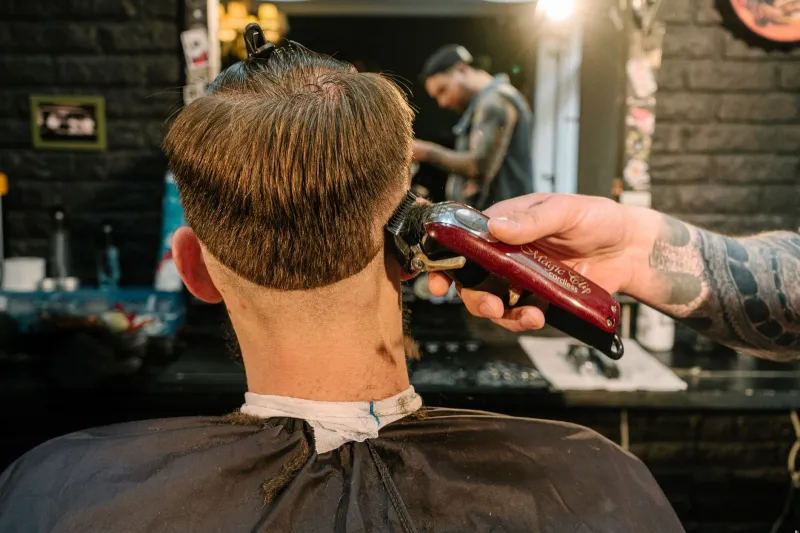
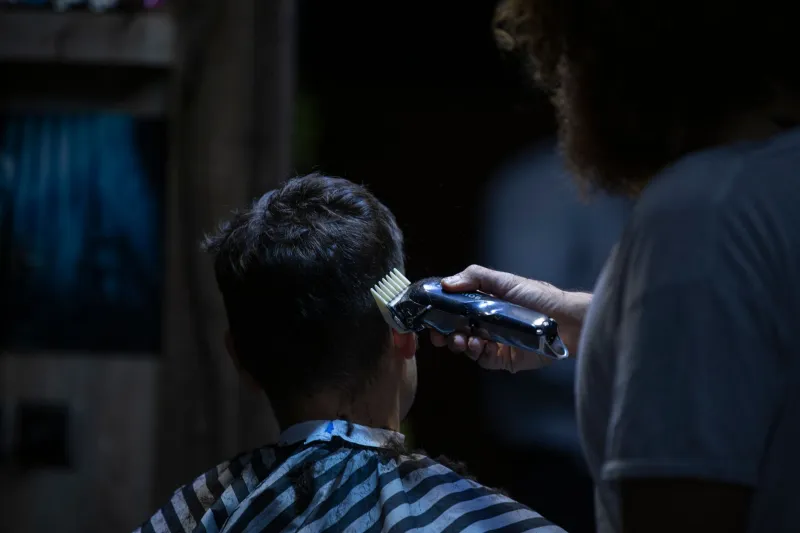
There is a particular moment in the salon chair when a client points at the top of their head and says, apologetically, 'It just grows like that.' For years, that sentence kicked off a familiar routine: a blow-dry, a flattening pass with straighteners, a cloud of setting spray and a silent prayer that the crown would behave until the next wash. In 2026, that routine is starting to look dated. Across UK salons, stylists are less interested in winning a war against the cowlick and more interested in cutting around it — letting the whorl, the flick, the stubborn little swirl do its thing.
This is not laziness dressed up as a trend. It is a proper shift in how hairdressers think about natural growth patterns. The crown is one of the first things a cutter should read, not the last thing they should fight. And when you stop treating it as a defect, the cut changes: the weight line moves, the fringe gets a different job, the layers stop trying to force hair into a shape it was never going to hold without industrial help.
The Crown Is Not a Crime Scene
Most people have at least one point on the scalp where hair changes direction. It might be a single whorl at the crown, a double swirl, a cowlick at the front hairline or a tricky patch near the temple. You can trace it with a finger. You can see it when hair is wet. It is not damage, bad luck or a sign that you have failed at hair. It is just geography.
The old approach was to cut as if that geography did not exist. A stylist would create a shape on the strongest, smoothest section of hair and then expect the cowlick to fall in line once enough product was applied. Sometimes it worked for an hour. Sometimes it worked for the length of a wedding speech. Rarely did it survive a British commute, a drizzle and a hood.
The newer approach is more pragmatic, and a lot more flattering. If the crown wants to lift, cut it so the lift looks intentional. If the front cowlick wants to flick left, give it a shape that can flick left without looking like a mistake. If the double whorl creates a natural separation, use that separation as a styling line. It is the difference between forcing a centre parting on hair that wants to zigzag and letting the zigzag become the point.
What a Cowlick Actually Is — and Why It Wins
A cowlick is simply a spot where hair grows in a different direction from the hair around it. At the crown, that often means a whorl: hair spiralling out from a central point. At the front, it can mean a section that lifts or swings away from the rest of the fringe. The result can be a persistent tuft, a soft wave or a piece that refuses to sit flat no matter how many times you wet it down.
For decades, sleek hair was the default benchmark. A smooth crown, a clean parting and a fringe that obeyed were sold as the polished option. But polish is not the only form of control. A good cut can make a cowlick look deliberate. A sharper shape can turn a flick into a graphic detail. A softer, more lived-in layer can make the whorl read as texture rather than trouble. And on the street, that matters. The most interesting hair in Britain right now rarely looks airbrushed. It looks like it belongs to a person who has somewhere to be.
This is why the cowlick-friendly cut fits the current mood. It sits alongside the blunt fringes, grown-out fades, salt-and-pepper crops and deliberately unpolished textures that have been moving through UK cities. It is not messy for the sake of being messy. It is hair that has been cut with its own habits in mind.
How to Brief Your Stylist Without a Mood Board Meltdown
You do not need a technical vocabulary to ask for a cowlick-friendly cut, but a few clear phrases help. Start by showing your stylist where the hair changes direction when it is wet. Point to the whorl, the flick, the spot that always lifts. Tell them what you actually do in the morning: whether you air-dry, rough-dry, use straighteners, wear a hat, tie it back or avoid product. That information is more useful than a camera roll of hair that belongs to someone with a completely different growth pattern.
Ask what the cut will do when the hair is left to its own devices. A good stylist should be able to explain where the weight will sit and how the cowlick will behave. If they suggest cutting it shorter to 'train' it, ask how that will look on day three, not just day one. If they want to leave more length around the crown, ask whether that length will flatten the whorl or give it something to move against. The aim is not to erase the pattern. It is to make the pattern work.
It also helps to be honest about maintenance. If you are not going to blow-dry the crown every morning, say so. A cut that relies on a daily round-brush ritual is not a cowlick-friendly cut for you. It is a part-time job. The best salon conversations end with a shape that still looks like hair after a wash, a sleep and a bus ride.
The Anti-Sleek Street Signature
The middle part has had a long run. It has been the shorthand for clean, expensive, quiet-luxury hair: flat at the root, glossy through the mid-lengths, tucked behind the ears. It is not going anywhere, but it is no longer the only sign of a considered head of hair. In 2026, the cowlick cut offers something else: a crown with a bit of attitude, a fringe that moves, a silhouette that is a little less symmetrical and a lot more personal.
You can see the appeal on the street. It reads well with denim, with leather, with a plain white tee and a good coat. It suits short crops and long shags. It works on curly hair, coily hair, fine hair and thick hair. The common thread is not a specific length or texture. It is the decision to stop hiding the spot that makes the hair yours.
Product, but Make It Light
The cowlick-friendly cut does not ban product. It just changes the brief. Heavy pomades and hard-hold gels can make a whorl look shellacked, especially when the hair is fine. A lighter hand usually works better: a sea-salt mist for grit, a soft cream for direction, a little dry shampoo at the root for lift. If you want the crown to look intentional rather than accidental, apply product where the hair naturally separates and let it dry that way. Do not fight it into a shape it cannot hold.
For clients with a strong front cowlick, a stylist might recommend a fringe that is cut to swing with the pattern rather than against it. For a crown whorl, they might leave a little more weight through the back or adjust the layering so the swirl becomes part of the outline. None of this is radical. It is just good cutting.
The Salon Takeaway
The cowlick is not a problem to be solved. It is a feature to be read. In 2026, the UK salons getting it right are the ones asking questions before they pick up the scissors: where does the hair grow, how does it dry, what does the client actually want to do in the morning? The answers shape a cut that looks better for longer and feels less like a daily argument.
The sleek middle part can stay. It has earned its place. But it no longer has the crown to itself. The whorl is having a moment — and this time, it is calling the shots.